For Kitchens, Bathrooms & Entryways
Tile & Grout Cleaning in Peoria, IL
Scrubbing grout with a toothbrush and still seeing dark lines everywhere?
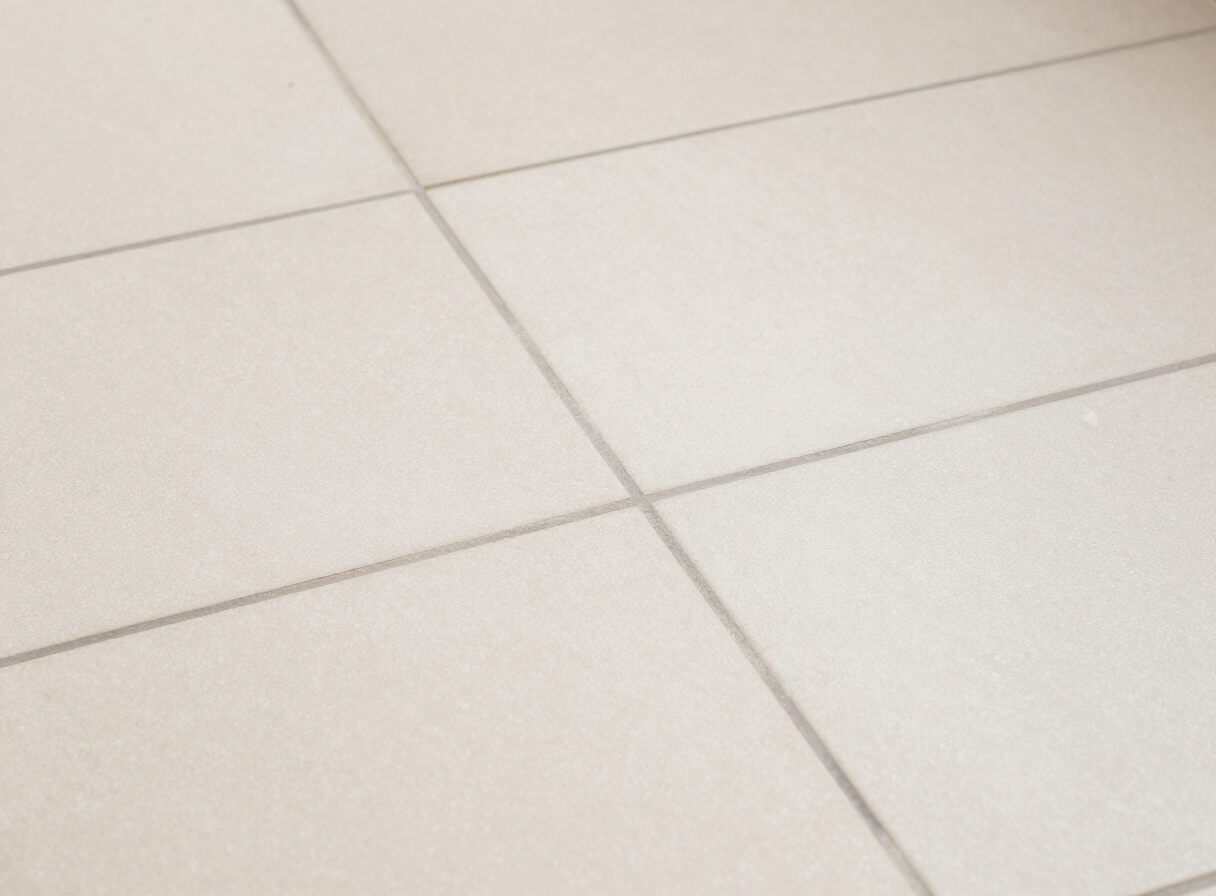
There's a specific kind of frustration in getting on your hands and knees, scrubbing grout lines for twenty minutes, and standing up to realize they still look gray. If that's happened in your kitchen or bathroom, the problem isn't your effort — it's that grout simply isn't built to be cleaned with a brush and a store-bought spray.
Why This Happens
Grout is porous by nature
Unlike the tile itself, grout is a porous cement-based material. It absorbs grease, dirt, and moisture rather than letting them sit on the surface, which is why a rag or brush can only ever remove what's on top.
Moisture-heavy rooms accelerate the problem
Kitchens and bathrooms combine grease, steam, and standing water — exactly the conditions that let dirt bind deep into grout and create the ideal environment for mold and mildew to take hold.
Manual scrubbing physically can't reach deep stains
Once grime has soaked past the surface layer of grout, no amount of scrubbing pressure will pull it back out — the dirt is embedded structurally in the material, not just sitting on it.
What Happens If You Wait
- Grout darkens permanently over time, turning from its original color to a dull gray or black that makes an entire kitchen or bathroom look older and less clean than it actually is.
- Trapped moisture and grime in grout create ideal conditions for mold and bacteria growth, which is a genuine health consideration in bathrooms especially.
- Untreated grout deteriorates faster, sometimes requiring re-grouting years earlier than it should, which is a far bigger job and expense than routine cleaning.
- A visibly dirty tile floor can make an otherwise updated kitchen or bathroom look neglected, which matters if you're planning to sell or simply want the space to reflect the care you put into it.
How We Solve It
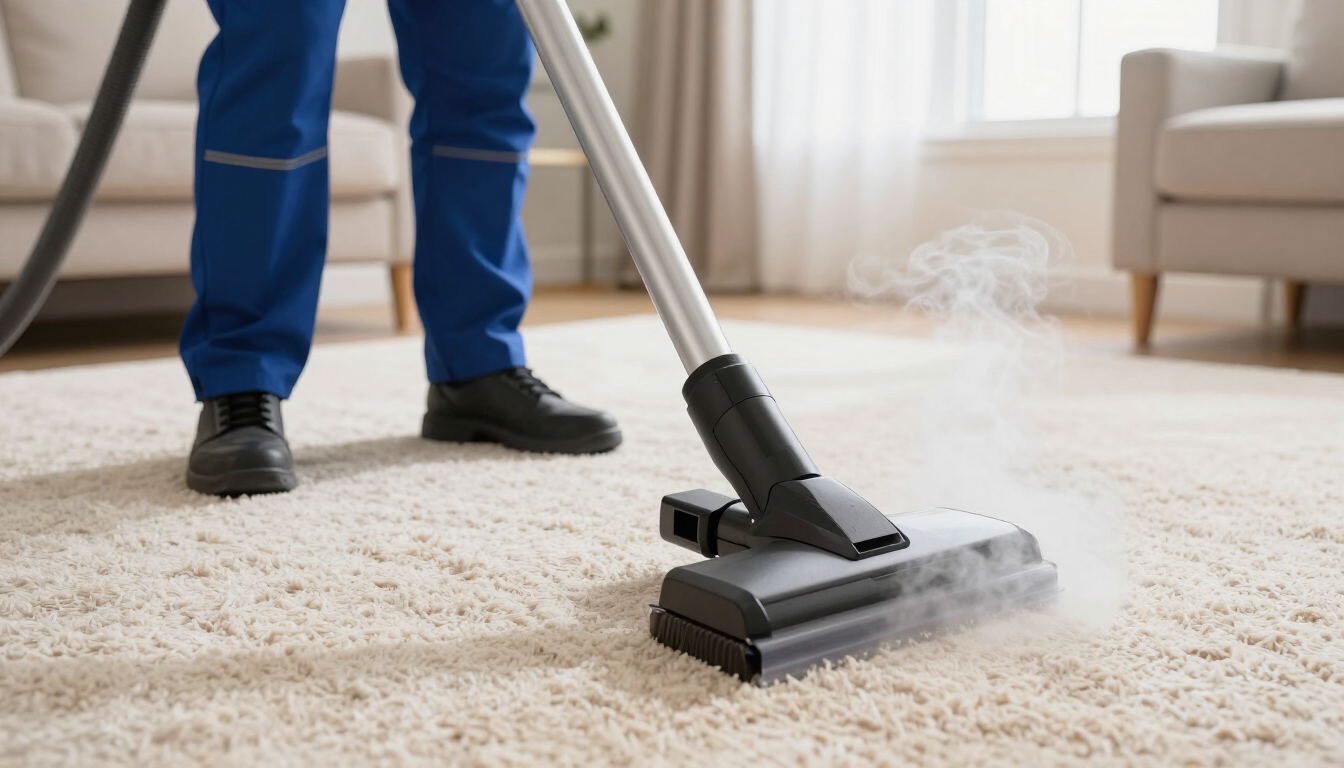
Our professional tile and grout cleaning uses hot water extraction and targeted agitation to pull dirt out of the porous grout lines, not just off the surface of the tile.
This deep-clean method reaches grime that manual scrubbing physically can't remove, restoring grout lines closer to their original color.
We also address the bacteria and mold risk that comes with trapped moisture and grime, leaving kitchens, bathrooms, and entryways both cleaner and healthier.
Our Process
- Inspection of tile type and grout condition
- Pre-treatment to break down grease and grime
- Deep extraction cleaning of tile and grout lines
- Spot treatment for stubborn dark grout
- Optional grout sealing for longer-lasting results
Benefits You'll Notice
Grout that looks restored, not just tidied
Deep extraction reaches soil that surface scrubbing never touches, which is why the color difference is often dramatic.
A healthier kitchen and bathroom
Removing trapped grease, moisture, and grime reduces the conditions that let mold and bacteria take hold in grout lines.
Protection that extends the clean
Optional sealing after cleaning helps repel future staining, meaning grout stays lighter for longer between cleanings.
Why Peoria Trusts Us With Tile & Grout Cleaning
We know the difference between tile types
Ceramic, porcelain, and natural stone all respond differently to cleaning agents and pressure. We assess your specific tile and grout before starting so nothing is damaged in the process.
Realistic results, clearly explained
Extremely old or damaged grout may not return to its original color completely — we'll tell you what to expect honestly rather than overpromising.
Efficient work, minimal disruption
Most kitchens and bathrooms are cleaned and walkable again within a couple of hours, so the room isn't out of use for long.
Common Questions About Tile & Grout Cleaning
Can you actually lighten dark, stained grout?
In most cases yes — our deep extraction reaches the grime trapped inside the porous grout that scrubbing can't remove.
Do you offer grout sealing after cleaning?
Yes, sealing after cleaning helps repel future stains and extends how long your grout stays clean.
How long before I can walk on the floor?
Floors are typically walkable within an hour or two, well before the sealant (if applied) fully cures.
Will this help with mold or mildew in my bathroom?
Yes, removing trapped moisture and grime from grout addresses the conditions that let mold and mildew develop in the first place.
Is the process safe for natural stone tile?
Yes, we adjust our approach based on tile material — natural stone requires different products and pressure than ceramic or porcelain, and we account for that.
How often should tile and grout be professionally cleaned?
Most kitchens and bathrooms benefit from a professional deep clean once or twice a year, depending on how much moisture and traffic the space sees.
Can you clean grout in entryways and mudrooms too?
Yes, entryway tile often needs it most since it takes the brunt of outdoor dirt, salt, and moisture tracked in from outside.